%20(1)%20(1).png)
Revolutionizing Construction with Project Management and Building Information Modeling
- Justin Pennington
- Jan 19
- 3 min read
Construction projects often face challenges such as delays, cost overruns, and miscommunication. These issues can lead to wasted resources and frustrated stakeholders. Two technologies have emerged as powerful tools to address these problems: project management software and Building Information Modeling (BIM). Together, they transform how construction teams plan, coordinate, and execute projects.

How Project Management Improves Construction Outcomes
Project management in construction involves organizing tasks, schedules, resources, and communication to ensure a project finishes on time and within budget. Traditional methods relied heavily on paper plans and manual tracking, which often caused errors and delays.
Modern project management software offers:
Centralized communication: Teams share updates, documents, and feedback in one platform, reducing misunderstandings.
Real-time scheduling: Project timelines adjust dynamically as tasks progress or face delays.
Resource allocation: Managers track labor, equipment, and materials to avoid shortages or idle time.
Risk management: Early identification of potential issues helps teams respond proactively.
For example, a mid-sized commercial building project used project management software to coordinate subcontractors. The software alerted managers when material deliveries were delayed, allowing them to reschedule tasks and avoid costly downtime. This approach saved the project two weeks compared to previous similar projects.
Building Information Modeling Brings Clarity and Precision
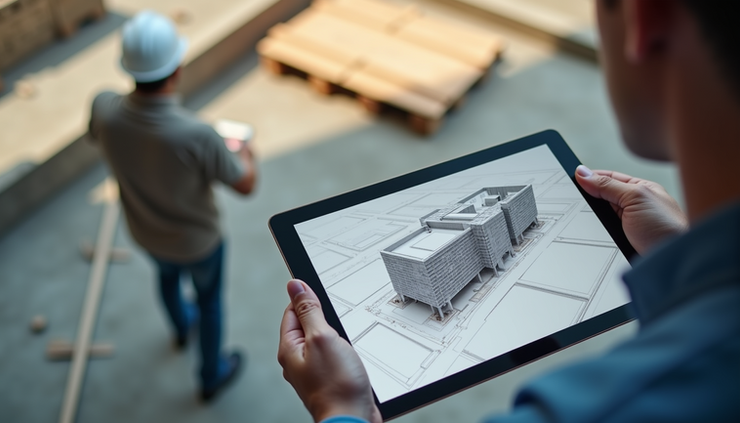
Building Information Modeling (BIM) is a digital representation of a building’s physical and functional characteristics. Unlike traditional blueprints, BIM models integrate architectural, structural, mechanical, and electrical systems into one 3D model.
Key benefits of BIM include:
Improved visualization: Stakeholders can explore the building virtually before construction begins.
Clash detection: The software identifies conflicts between systems, such as pipes running through beams, before they happen on site.
Accurate quantity takeoffs: BIM generates precise material lists, reducing waste and cost.
Enhanced collaboration: Architects, engineers, and contractors work on a shared model, improving coordination.
A hospital construction project used BIM to detect design clashes early. This prevented rework that would have delayed the project by months and increased costs by millions. The model also helped facility managers plan maintenance by providing detailed system information.
Combining Project Management and BIM for Maximum Impact
When project management tools integrate with BIM, construction teams gain a comprehensive view of the project’s status and challenges. This combination supports:
Coordinated scheduling: Linking BIM tasks with project timelines ensures that construction sequences follow the model’s requirements.
Progress tracking: Teams compare the physical build with the BIM model to identify deviations and correct them quickly.
Cost control: Real-time updates on material usage and labor hours help keep budgets on track.
Stakeholder engagement: Visual models combined with clear schedules improve communication with clients and regulators.
For instance, a large infrastructure project combined BIM with project management software to monitor progress across multiple sites. The integrated system flagged delays in one area that could impact others, allowing managers to adjust resources and keep the overall project on schedule.
Practical Tips for Implementing These Technologies
To get the most from project management and BIM, construction firms should:
Invest in training: Ensure all team members understand how to use the software effectively.
Start small: Pilot the tools on a smaller project before scaling up.
Standardize processes: Develop clear workflows that integrate BIM and project management tasks.
Encourage collaboration: Promote open communication between architects, engineers, and contractors.
Maintain data quality: Keep models and schedules updated to reflect real conditions.
The Future of Construction Technology
As technology advances, expect even tighter integration between project management and BIM. Emerging trends include:
Mobile access: Field teams using tablets and smartphones to update progress instantly.
Artificial intelligence: Predictive analytics to foresee delays or cost overruns.
Virtual and augmented reality: Immersive experiences for design reviews and safety training.
Cloud collaboration: Real-time updates accessible from anywhere, supporting global teams.
These developments will continue to improve efficiency, reduce waste, and enhance safety in construction projects.
Construction teams that adopt project management and BIM technologies position themselves to deliver higher quality projects faster and with fewer surprises. The combination of clear planning and detailed digital models creates a strong foundation for success.



Comments